
Loss of desire via intimacy, connection, motivation, or enjoyment in life, is something many people experience at different points in their journey. It can feel confusing, frustrating, or even worrying. Yet it’s a human experience, not a personal failure.
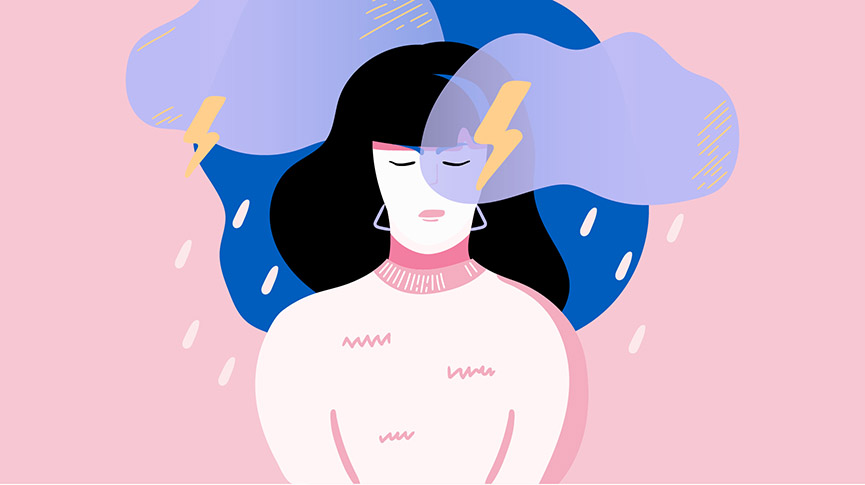
What does loss of desire actually mean?
Desire displays itself in various forms. You might notice:
-
A decrease in sexual desire or intimacy with a partner
-
Feeling emotionally distant or disconnected
-
Reduced interest in activities you once enjoyed
-
A sense of numbness, flatness, or disengagement
-
Difficulty motivating yourself or making decisions
These experiences can occur gradually or feel more sudden. They are not unusual feelings.
What can contribute to loss of desire?
Stress and Burnout
When life feels overwhelming, your nervous system shifts into survival mode. This makes pleasure and connection less accessible.
Anxiety and Low Mood
Persistent worry, depression, or emotional fatigue can reduce interest in both emotional and physical closeness.
Relationship Dynamics
Unresolved conflict, communication challenges, or emotional distance can impact connection and desire over time.
Life Transitions
Parenthood, menopause, illness, grief, and other major changes can all influence how desire feels.
Past Experiences and Attachment Patterns
Early relational experiences can shape how safe and secure we feel with intimacy and vulnerability.
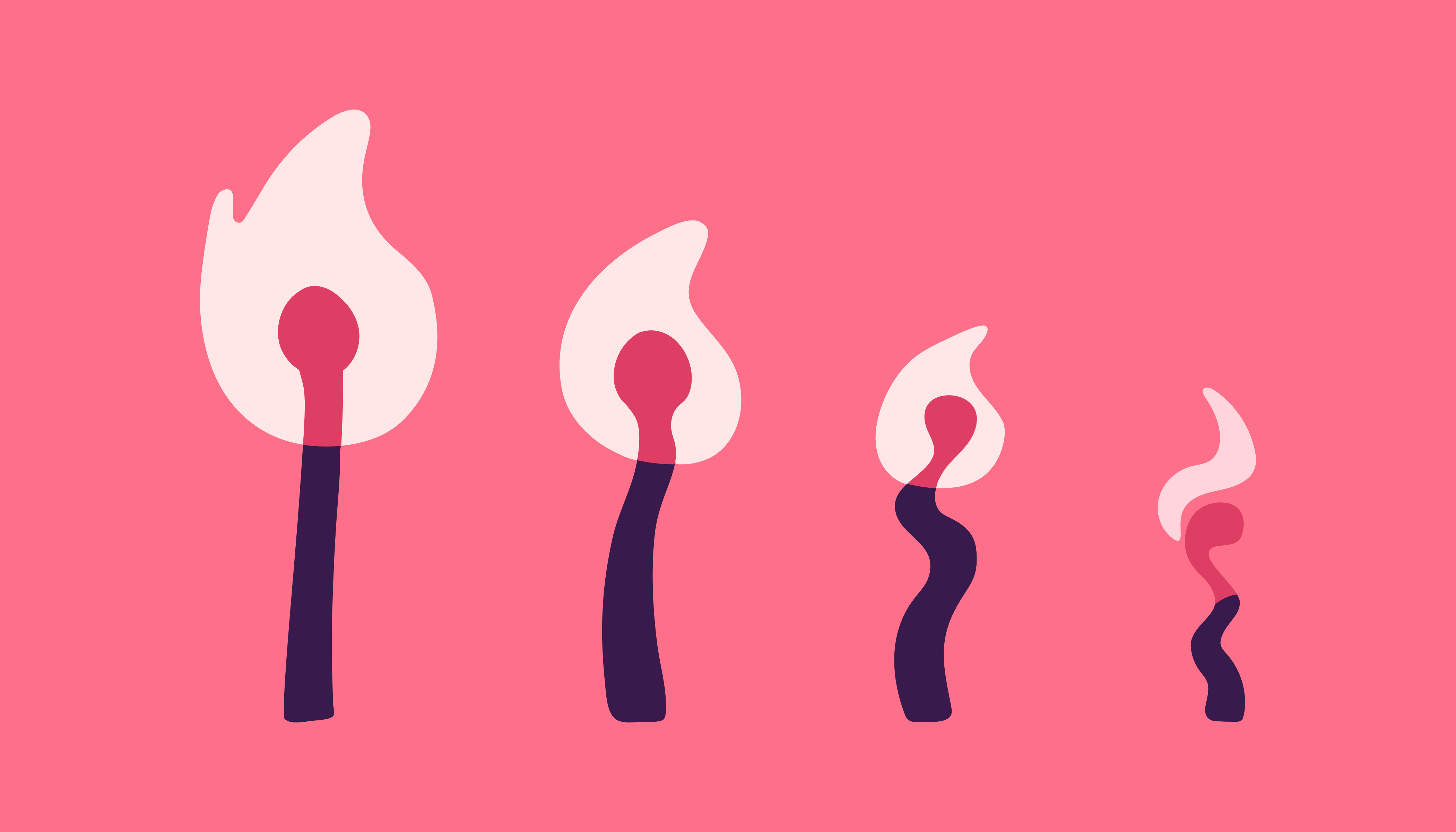
The emotional impact
Loss of desire often brings added thoughts like:
-
What’s wrong with me?
-
Does my partner still love me?
-
Am I disappointing them?
These thoughts can generate anxiety or shame, which can make loss of desire feel even stronger. Desire tends to flourish in contexts of emotional safety, not pressure or fear.
Changing your outlook
Rather than seeing loss of desire as a failure, it can be helpful to view it as information. Often, it signals that something in your emotional world needs attention. This could be via rest, safety, expression, or repair.
Desire is not just physical; it is deeply relational and psychological. When we feel emotionally secure, seen, and regulated, desire is more likely to emerge naturally.

When to Seek Support
You may benefit from speaking to a therapist if:
-
The loss of desire is persistent or distressing
-
It is affecting your relationship
-
You feel shame or anxiety about it
-
You are unsure of the cause
-
You feel emotionally numb or disconnected
Seeking support is not an admission of failure. It is an act of care for yourself and, if relevant, for your relationship.
Useful websites