

As the New Year approaches, there’s often a sense that we should feel hopeful, motivated, and ready for change. Our social media accounts become flooded with other people’s resolutions, such as: ‘a new year, a new you’ and pressure to start fresh. While this can feel exciting for some, for many others the New Year brings mixed emotions — reflection, uncertainty, grief, or even anxiety.
The New Year naturally invites reflection. You may find yourself thinking about what went well, what didn’t, or what you hoped life would look like by now. For some, this brings pride and optimism. For others, it can highlight disappointment, loss, or feelings of being left behind.
There is no right way to feel at the start of a new year. Whatever emotions show up for you, they are valid.
Rethinking Resolutions
Traditional New Year’s resolutions often focus on fixing or changing ourselves. While growth can be positive, these goals sometimes come from self-criticism rather than self-compassion. They can set unrealistic expectations and leave us feeling like we’ve failed, before the year has really begun!
Instead of asking “What should I change?” you might gently ask:
-
What do I need more of this year?
-
What would support my wellbeing?
-
What feels achievable and kind to myself?
Small, meaningful intentions are often far more sustainable than sweeping promises.
The idea of a fresh start can be comforting, but it can also feel overwhelming. Life doesn’t reset on the 1st January. Old patterns, relationships, and challenges don’t disappear overnight, which is perfectly normal. Growth often happens gradually, through awareness, reflection, and support. It’s rarely a sudden transformation.
Looking Ahead
The New Year can be an opportunity to practice kindness toward yourself. Things that may help:
-
Letting go of harsh self-judgement
-
Creating space for rest and reflection
-
Setting boundaries that protect your energy
-
Being curious about your emotional needs
Progress doesn’t have to be loud or visible to be meaningful.
Gentle Grounding Tips for the New Year
The New Year can bring excitement, but it can also stir up pressure, reflection, and uncertainty. Grounding practices help bring us back into the present moment, especially when our minds are racing ahead or replaying the past. These small, supportive tools can be woven into everyday life — no big resolutions required.
Start Where You Are
Instead of asking yourself what should change this year, gently notice how you’re feeling right now. Are you tired, hopeful, anxious, or unsure? Naming your emotional state can be grounding in itself and helps build self-awareness without judgement.
Breathe With Intention
Slow, steady breathing can calm the nervous system. Try this simple exercise:
-
Inhale through your nose for a count of 4
-
Hold for 2
-
Exhale slowly through your mouth for 6
Repeat a few times, noticing the sensation of the breath leaving your body.
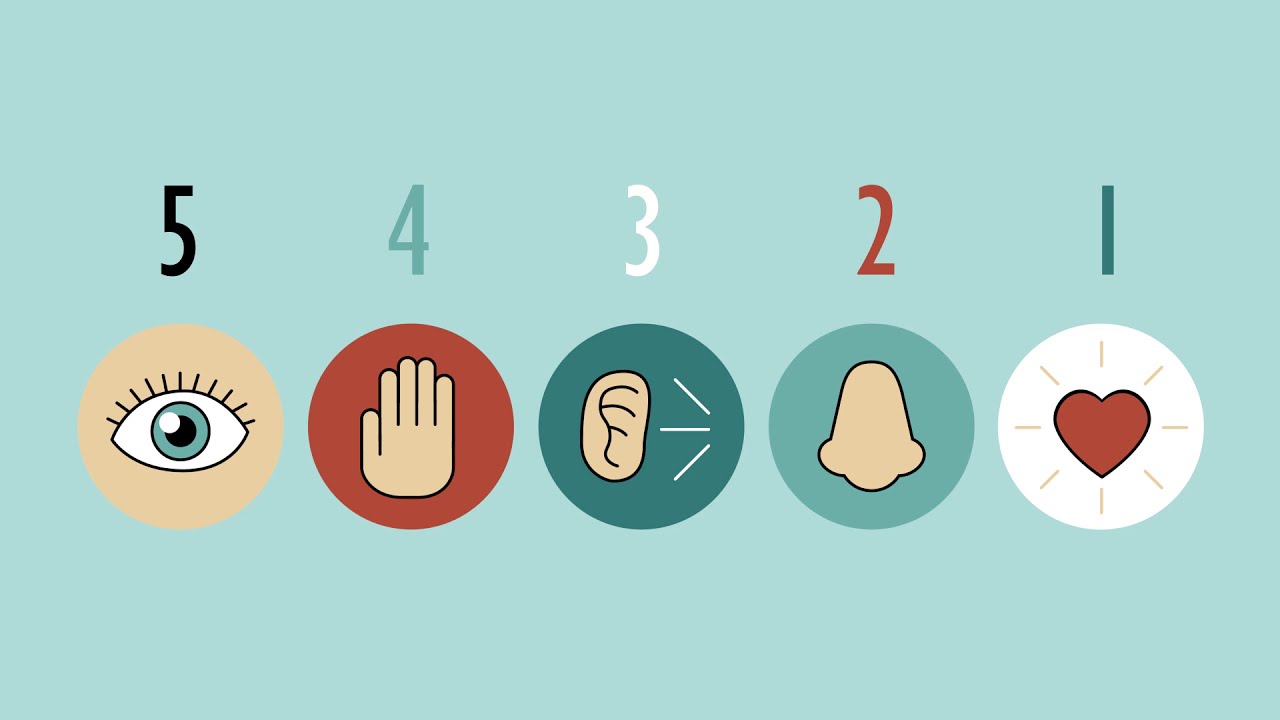
Anchor in the Senses
When thoughts feel overwhelming, reconnect with your senses:
-
Name 5 things you can see
-
4 things you can feel
-
3 things you can hear
-
2 things you can smell
-
1 thing you can taste
This helps bring your attention back to the present moment.
Create Small, Kind Rituals
Grounding doesn’t have to be complicated. Simple daily rituals — a morning cup of tea, a short walk, journalling for five minutes — can create a sense of safety and predictability, especially during times of change.
Let Go of the ‘All or Nothing’ Mindset
The New Year often invites perfectionism. Remember that progress is not linear. Missing a day, changing your mind, or resting does not mean you’ve failed — it means you’re human.
Stay Connected
Connection is deeply grounding. This might mean spending time with people you trust, checking in with someone who feels safe, or even connecting with yourself through reflection or therapy. You don’t have to navigate the New Year alone.
Gently Set Intentions, Not Pressure
Rather than rigid goals, consider setting intentions that reflect how you want to feel:
-
More calm – more balance – more self-compassion
Let these intentions guide you, rather than judge you.
Useful websites